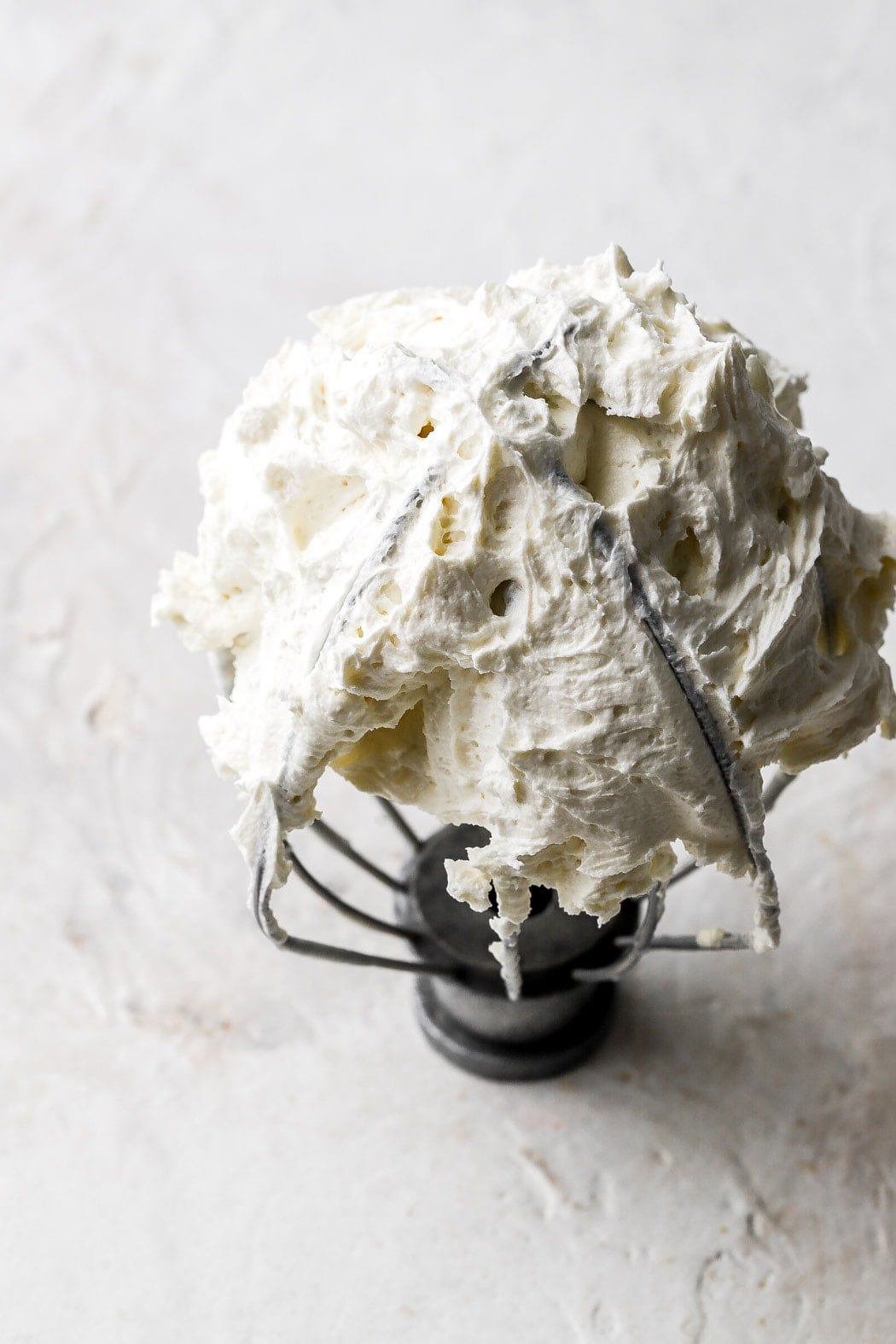
Choosing the Best Frosting for Your Cake
Choosing the right frosting for your cake can make a huge difference in the final texture, flavor, and overall balance of the dessert.
Some frostings are rich and buttery, some are light and silky, some are tangy, some are very sweet, and some hold up better for stacking, decorating, or serving at room temperature.
A soft, delicate sponge cake usually needs something light and creamy, while a dense chocolate cake can handle a richer buttercream or ganache. A tangy cream cheese frosting might be perfect for carrot cake, but too heavy for a chiffon cake. And if you’re making a tall layer cake, you’ll want to think about stability just as much as flavor.
This guide will walk you through the most common frosting types, what they’re best for, and how to choose the right frosting for your cake, cupcake, sponge, or sheet cake.
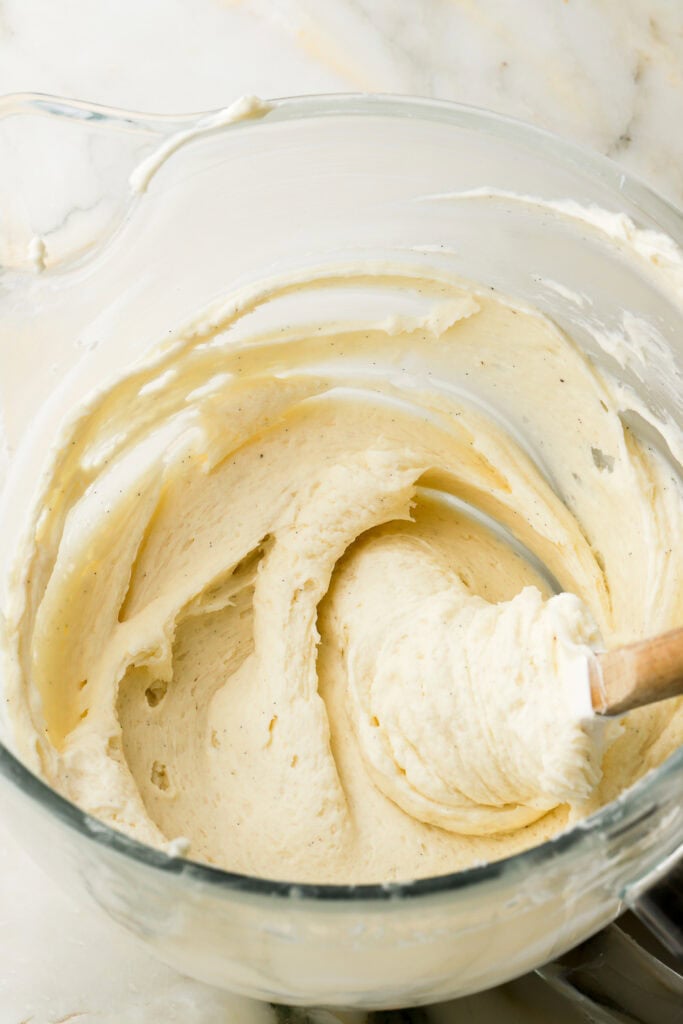
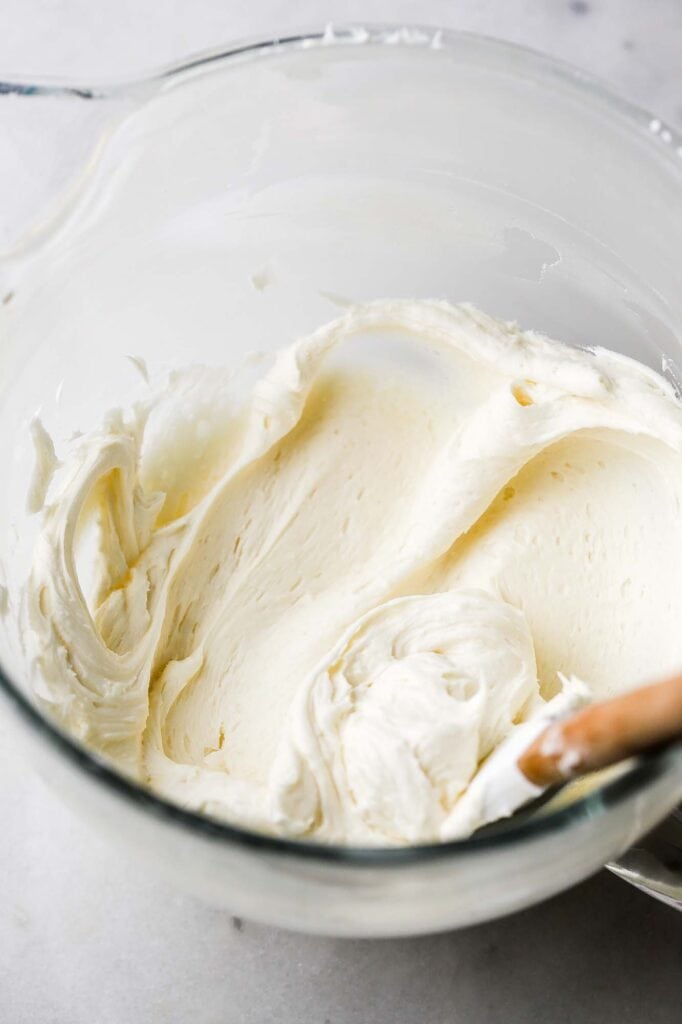
How to Choose the Right Frosting
When choosing a frosting, I like to think through it in this order: format, texture, serving temperature, then flavor.
Flavor obviously matters, but the frosting also has to work structurally with the cake you’re making. A frosting that works beautifully on cupcakes or a sheet cake might not be stable enough for a tall layer cake, and a frosting that tastes amazing with one sponge might completely overwhelm another.
1. Start with the format
First, think about how the cake is being built. Is it a sheet cake, cupcakes, a two-layer cake, or a tall three- or four-layer cake?
Cupcakes and sheet cakes are the most forgiving because the frosting doesn’t have to support any weight. Layer cakes need more structure, and tall layer cakes need a lot more stability.
For example, carrot cake and cream cheese frosting are a classic pairing, but a carrot sheet cake is much easier to frost than a tall four-layer carrot cake. A taller cake needs a stable cream cheese frosting, chilled assembly, or a more structured frosting — or at least a border of a sturdier frosting around the edge of the cake — if you don’t want to risk sliding.
2. Consider the cake texture
Next, look at the actual texture of the cake. Is it dense and buttery, light and airy, dry and absorbent, or moist and oil-based?
Butter cakes can usually handle heavier frostings like buttercreams and ganache. Genoise-style sponge cakes are leaner and usually need syrup with lighter fillings. Chiffon and other delicate sponges do best with softer creams as well, while moist oil-based cakes often pair well with tangy or creamy frostings.
3. Think about serving temperature
Then think about how the cake will be served. Some frostings need refrigeration for food safety or stability, while others taste best at room temperature.
Butter-based cakes tend to firm up in the fridge, so they usually pair best with frostings that can be served at room temperature, like buttercreams or ganache. Oil-based cakes, like carrot cake, banana cake, hummingbird cake, and pumpkin cake, stay softer when chilled, which makes them more versatile with cream cheese frosting, mascarpone cream, and other chilled frostings.
Sponge cakes are pretty versatile. They’re great served chilled, especially when paired with lighter creams or custard-based fillings, but some can also handle heavier buttercreams and be served at room temperature.
If you’re serving the cake at an event, consider how long it will be out of the fridge and the temperature of the room. Anything served outdoors in warm weather needs a more stable frosting, like American buttercream, Swiss meringue buttercream, Italian meringue buttercream, or ganache.
4. Finish with flavor and sweetness
Once you know what the cake can structurally handle, then choose the flavor and sweetness level you want.
Some pairings are classics for a reason. Spiced cakes go beautifully with tangy cream cheese frosting, chocolate cakes can handle ganache or richer buttercreams, bitter flavors pair well with sweet American frosting, etc.
Flavor is the fun part, but it should be the final filter after you know the frosting will actually work with the cake’s format, texture, and serving temperature.
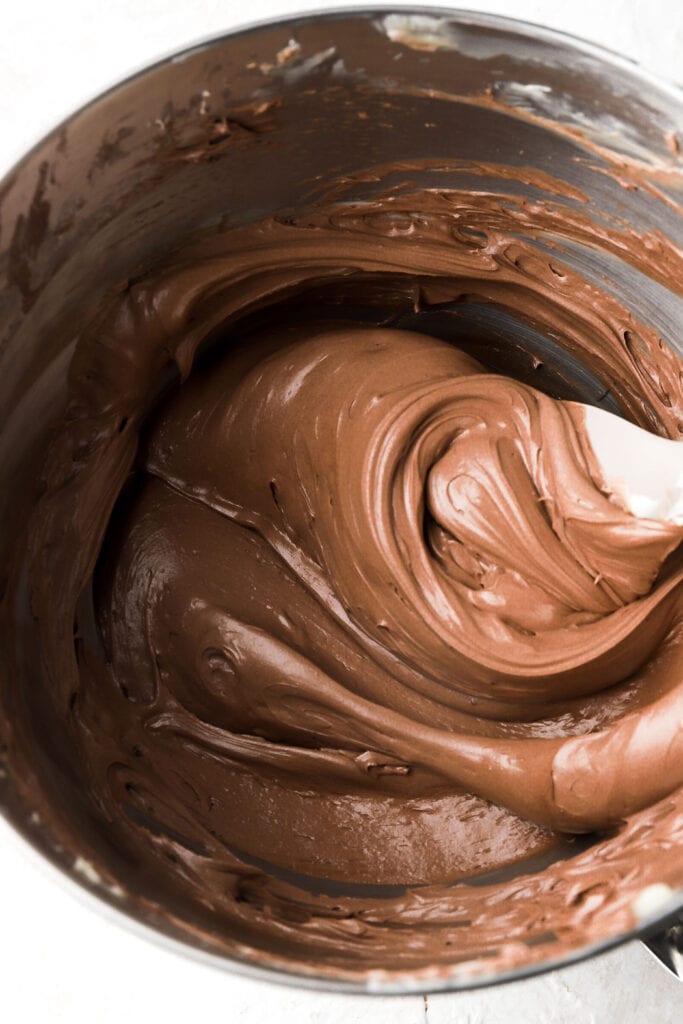
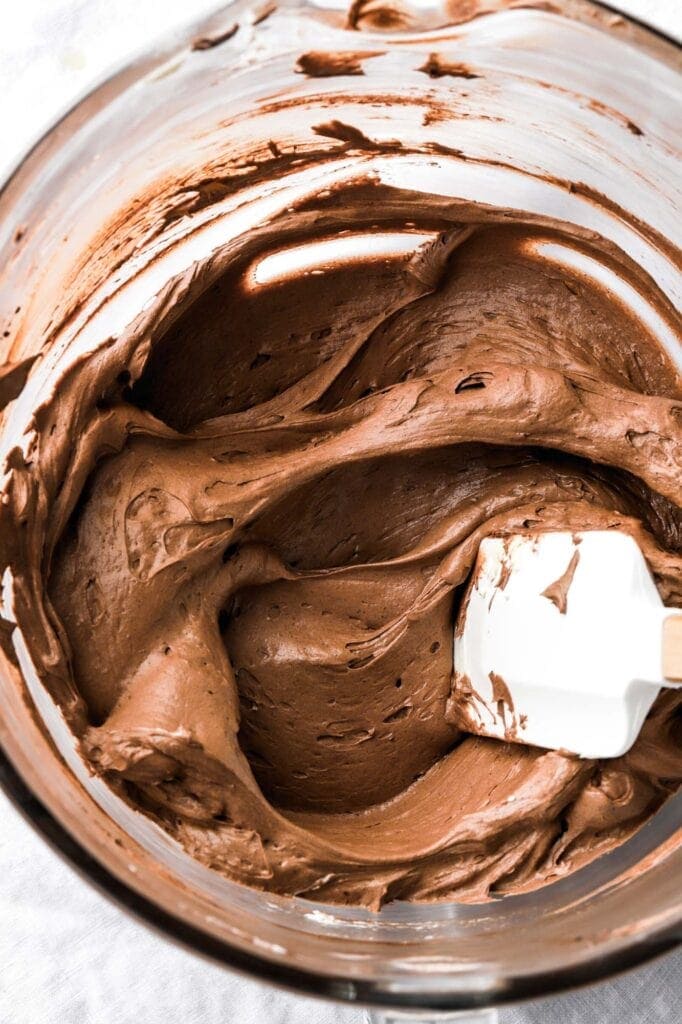
Format-Specific Frosting Tips
Here are a few quick things to keep in mind once you’ve chosen a frosting.
Cupcakes and sheet cakes are the most forgiving because the frosting doesn’t have to support much weight. Most frostings will work here, but if the frosting needs to be refrigerated, like cream cheese frosting or Chantilly cream, make sure the cake itself still tastes good cold.
Layer cakes need more structure because the frosting has to hold the weight of the cake without sliding. Buttercreams are definitely recommended, but whipped cream-based frostings can work too if the filling is stable and assembly is chilled.
Tall cakes need the most stability. Use a stable buttercream or whipped ganache and chill the cake between stacking layers if needed.
Roll cakes need soft, flexible fillings that can spread and roll without cracking the cake or squeezing out everywhere.
Warm rooms and outdoor events are not the place for whipped cream, cream cheese frosting, mascarpone cream, pastry cream, or other soft fillings. Swiss meringue buttercream, Italian meringue buttercream, American buttercream, and ganache are usually safer choices. Let me clarify though, no frosting is going LOVE heat… at some point they will all melt but these buttercreams can tolerate being out in a warmer environment for an extended period of time compared to other types of frosting that would probably melt within a few minutes.
For decorating and piping, my favorite frostings are Swiss or Italian meringue buttercream. They’re smooth, stable, and pipe beautifully. If you need a frosting that crusts on the outside and is less sensitive to touch, American buttercream will give you that.
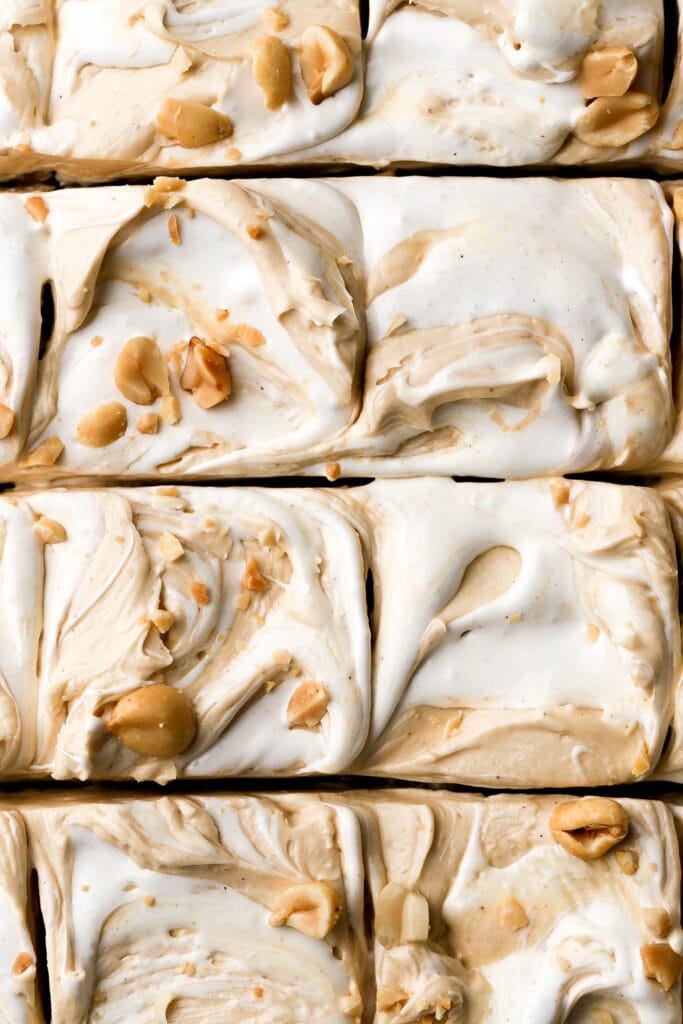
Frosting Comparison Chart
Use this chart after you’ve thought through the format, texture, serving temperature, and flavor of your cake.
| Frosting | Best Format | Best Cake Texture | Best Served | Sweetness / Flavor | Stability Notes | Try It With |
| American Buttercream | Cupcakes, sheet cakes, layer cakes, tall cakes, piping | Butter cakes, oil-based cakes, dense cakes | Room temperature | Very sweet, classic | Very stable and beginner-friendly, but can overwhelm delicate sponges | Vanilla Cake |
| Swiss Meringue Buttercream | Layer cakes, tall cakes, decorated cakes, piping | Butter cakes, oil-based cakes, some sturdier sponges | Room temperature | Mildly sweet, silky, buttery | Stable and smooth, but needs time to soften after chilling, great for frosting and decorating | Mocha Cake |
| Italian Meringue Buttercream | Tall cakes, decorated cakes, piping, event cakes | Butter cakes, oil-based cakes, sturdier sponges | Room temperature | Mildly sweet, silky, buttery | One of the most stable buttercreams, great when structure matters | Can be used in place of Swiss any time. |
| French Buttercream | Layer cake fillings, smaller cakes, rich cakes | Butter cakes, chocolate cakes, nut cakes, richer sponges | Cool room temperature | Rich, custardy, less sweet, buttery | Slightly softer than Swiss & Italian – better as a filling or for softer finishes. Wouldn’t decorate heavily with this. | Vanilla Latte Cupcakes |
| German Buttercream / Crème Mousseline | Filled cakes, European-style layer cakes, chilled cakes | Genoise, sponge cakes, fruit cakes, lighter butter cakes | Cool room temperature or chilled | Creamy, custardy, less sweet, buttery | Pastry cream whipped with butter; softer and best for cakes that don’t need extreme structure. | Fraisier Cake |
| Ermine Frosting / Boiled Milk Frosting | Sheet cakes, cupcakes, 2-layer cakes, snack cakes | Butter cakes, oil-based cakes, red velvet, chocolate cake | Cool room temperature | Fluffy, creamy, less sweet and more buttery than American buttercream, but not quite like the European ones | Moderately stable, pipe-able, but softer than American or meringue buttercreams. | Red Velvet Cake |
| Cream Cheese Frosting | Cupcakes, sheet cakes, 2-layer cakes, chilled layer cakes | Oil-based cakes, carrot cake, banana cake, pumpkin cake, red velvet | Cool room temperature or chilled | Tangy, creamy, sweet | Needs a stable recipe for layer cakes; tall cakes may need chilled assembly or a sturdier border. | Carrot Cake |
| Russian Buttercream | Cupcakes, sheet cakes, simple layer cakes | Butter cakes, chocolate cakes, caramel or milk-forward cakes | Cool room temperature | Sweet, milky, condensed milk flavor (or caramelized if you use dulce de leche) | Softer than American buttercream and can be temperature-sensitive. | Dulce de Leche Cake |
| Whipped Ganache | Filled cakes, cupcakes, layer cakes, chocolate cakes | Chocolate cakes, butter cakes, sturdier sponges | Room temperature | Rich and chocolatey, but lighter than classic ganache (can also be made with white chocolate) | More airy and pipe-able than regular ganache, but stability depends on the chocolate ratio. 1:1 is stable but temperature sensitive – can be difficult to frost/decorate if it’s too cold. | Tuxedo Cake |
| Ganache | Layer cakes, tall cakes, fillings, drips, chocolate cakes | Chocolate cakes, dense cakes, butter cakes, brownie-style cakes | Room temperature or chilled | Rich, chocolate-forward; sweetness depends on the chocolate (can be made with white) | Very stable depending on the ratio; sets firm when chilled if it’s heavy on the chocolate, or soft if it’s heavier on the cream. | Chocolate Ganache Cake |
| Whipped Cream / Chantilly Cream | Sheet cakes, shortcakes, roll cakes, simple filled cakes | Sponge cakes, chiffon cakes, angel food cake, light cakes | Chilled | Light, airy, lightly sweet | Needs refrigeration; stabilize it if using between cake layers and not serving immediately or piping | Chantilly Cake |
| Mascarpone Cream | Chilled layer cakes, fruit cakes, tiramisu-style cakes, sponge cakes | Sponge cakes, chiffon, genoise, hot milk sponge, fruit cakes | Chilled | Creamy, lightly tangy, lightly sweet, airy | More stable than plain whipped cream, but still best served chilled | Tiramisu Cake |
| Diplomat Cream | Filled cakes, chilled cakes, fruit cakes, cream pies, sponge cakes | Genoise, hot milk sponge, chiffon, biscuit sponge, lighter/thin oil based cakes | Chilled | Light, creamy, custardy | Pastry cream lightened with whipped cream; best as a filling, not an exterior frosting. | Chocolate Mousse Cake |
| Bavarian Cream | Filled cakes, entremets, chilled desserts | Sponge cakes, genoise, biscuit sponge, layered chilled cakes | Chilled | Creamy, mousse-like, lightly sweet, milky | Sets with gelatin, so it’s stable once chilled but not meant for exterior frosting | Honey Lemon Cake |
| Pastry Cream | Fillings, cream puffs, Boston cream-style cakes | Hot milk sponge, genoise, fruit cakes, filled cakes | Chilled | Thick, custardy | Best used as a filling; too soft and heavy to use as an exterior frosting | Boston Cream Pie |
Stability doesn’t always mean “better.” It just tells you what the frosting can handle. American buttercream and ganache are great for structure, but they can feel heavy on delicate sponges. Whipped cream and diplomat cream are less structurally stable, but they’re perfect for cakes that are meant to be light and served chilled.

Best Frostings by Cake Type
Now that you know how each frosting behaves, let’s talk about which frostings work best for different types of cakes.
This is where texture matters most. A chocolate cake and a vanilla cake can both be butter cakes, but they might have totally different flavor pairings. A vanilla butter cake and a vanilla genoise might have the same flavor, but they need completely different frostings.
So instead of choosing frosting based on flavor alone, start with the type of cake you’re making.
I’ve separated the cakes into categories based on texture, with my recommended frostings and examples from my own recipes listed under each one.
Butter Cakes
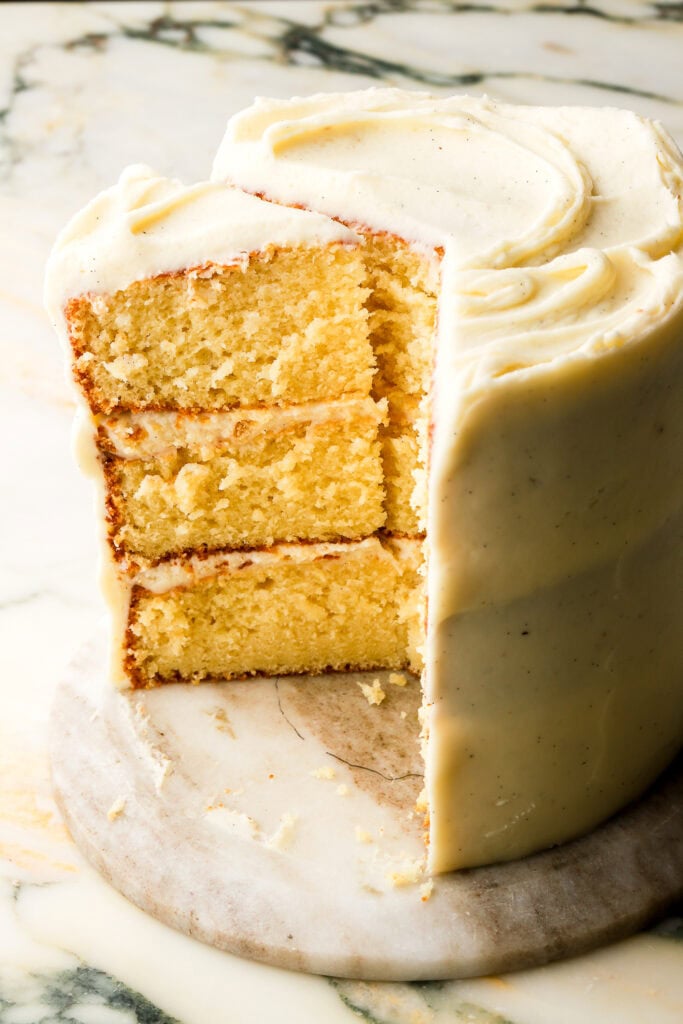
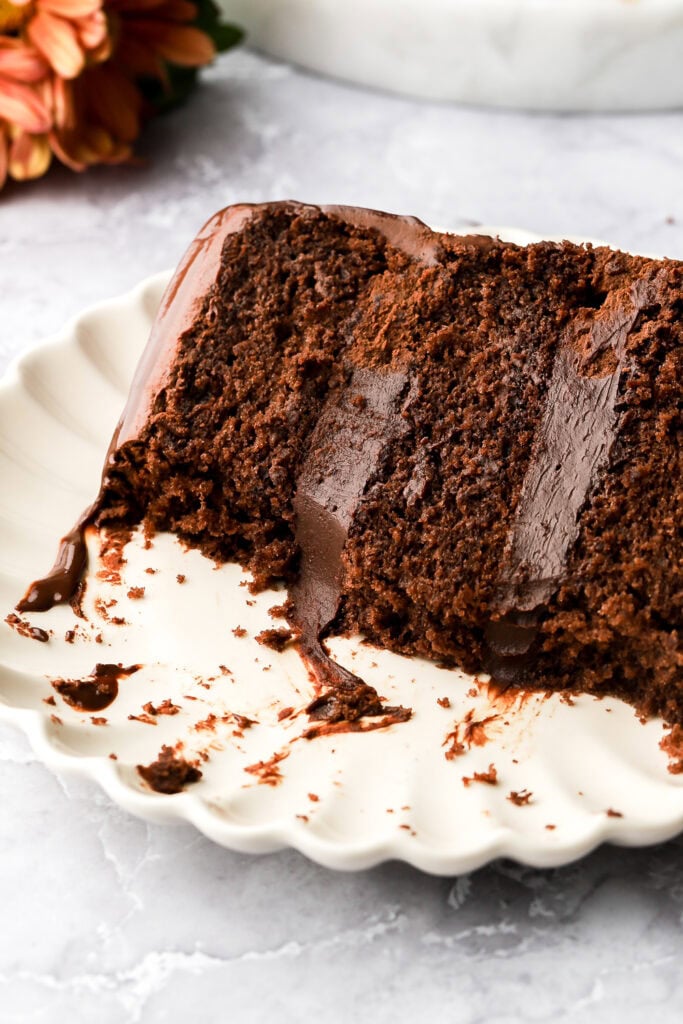
Creamed butter cakes are sturdy, rich, and can handle heavier frostings.
Best frostings:
American buttercream
Swiss meringue buttercream
Italian meringue buttercream
French buttercream
Ermine frosting
Ganache
Whipped ganache
Cream cheese frosting, depending on flavor
Examples:
Vanilla Cake with American, Sheet Cake with Cream Cheese, Chocolate Ganache Cake, Marble Cake.
Notes:
A classic butter cake can handle buttercream because the cake itself has enough structure and richness. This is where American buttercream actually makes sense, especially for cupcakes, sheet cakes, and birthday-style layer cakes.
Oil-Based Cakes
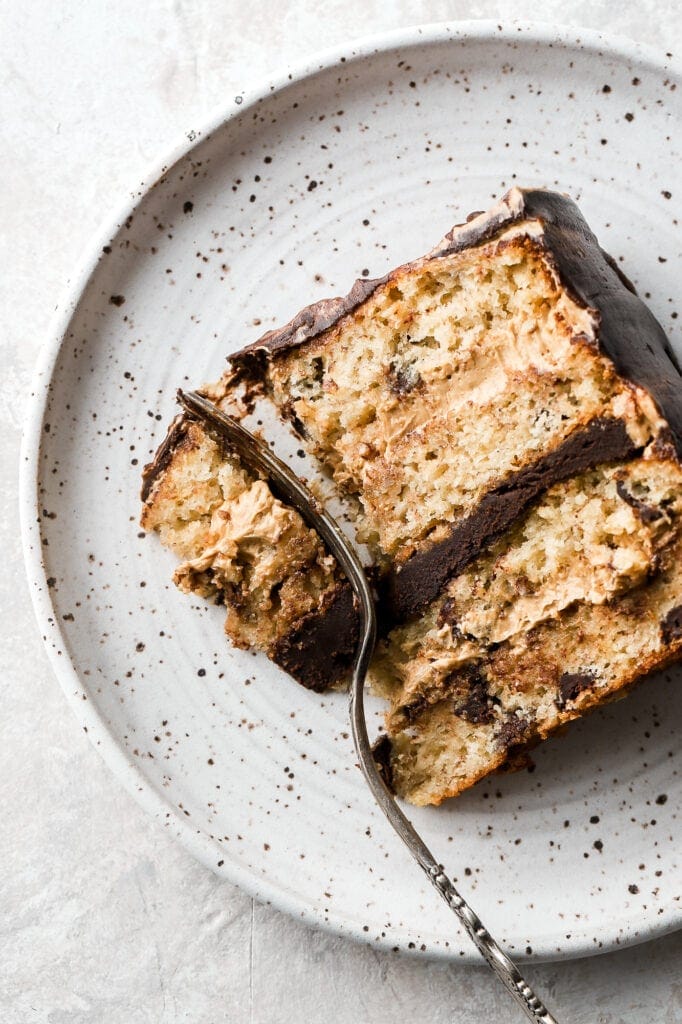
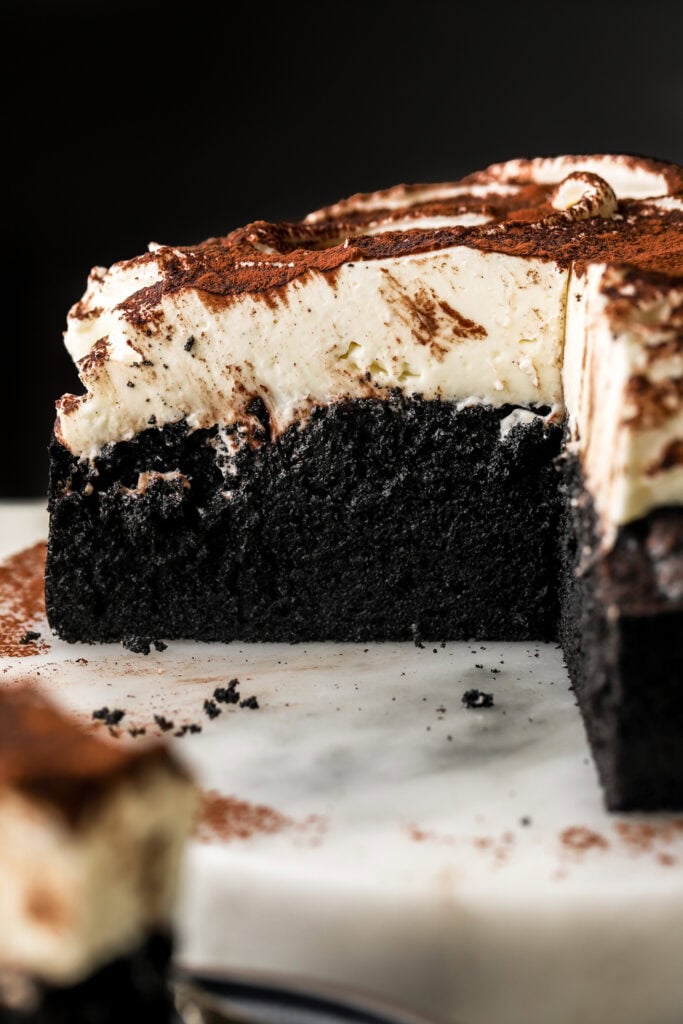
Oil-based cakes are moist, plush, and stay softer when chilled.
Best frostings:
Cream cheese frosting
Ermine frosting
Swiss meringue buttercream
American buttercream
Whipped ganache
Mascarpone cream, if served slightly chilled
Examples:
Carrot Cake, Hummingbird Cake, Banana cake, Pumpkin Cake, Black Cocoa Cake.
Notes:
These cakes pair really well with tangy or creamy frostings because they’re usually moist, rich, and often spiced. They also handle chilled frostings better than butter cakes because they don’t firm up as much in the fridge.
Sponge Cakes
Sponge cakes can range from lean and absorbent to soft, plush, and more forgiving. I separated the most delicate sponges, like angel food cake and biscuit sponge, into their own section below because they need a slightly different approach.
This section includes cakes like genoise, hot milk sponge, chiffon cake, and molly cake. In general, they pair well with lighter creams, custards, soaks, and softer fillings.
Best frostings/fillings:
Diplomat cream
Bavarian cream
German buttercream / crème mousseline
Mascarpone cream
Chantilly cream
Whipped ganache
French buttercream
Ermine frosting
Examples:
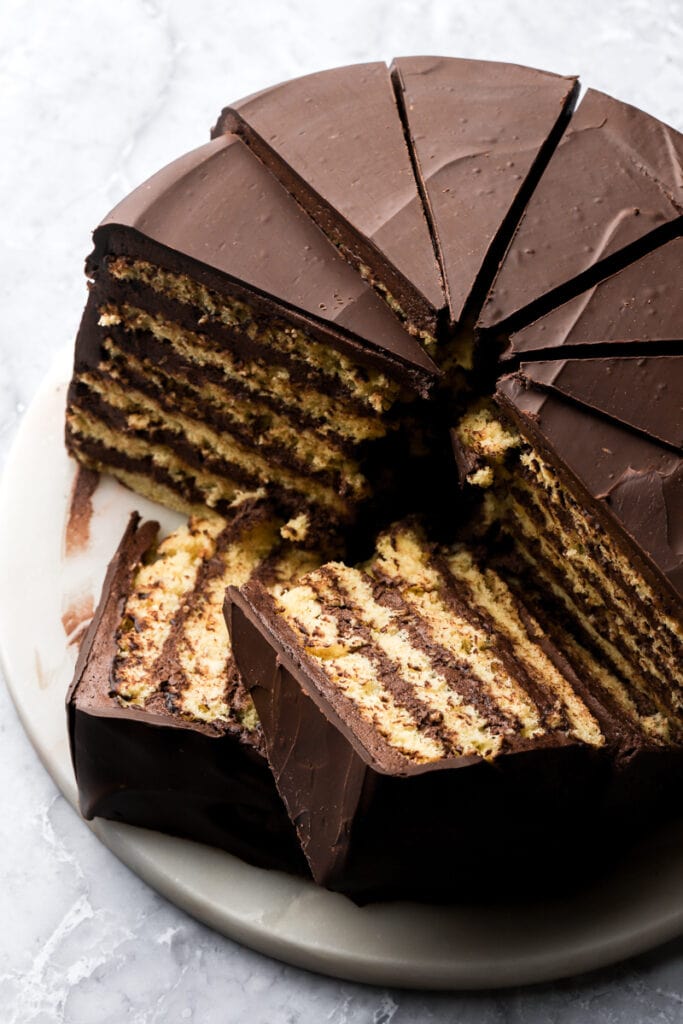
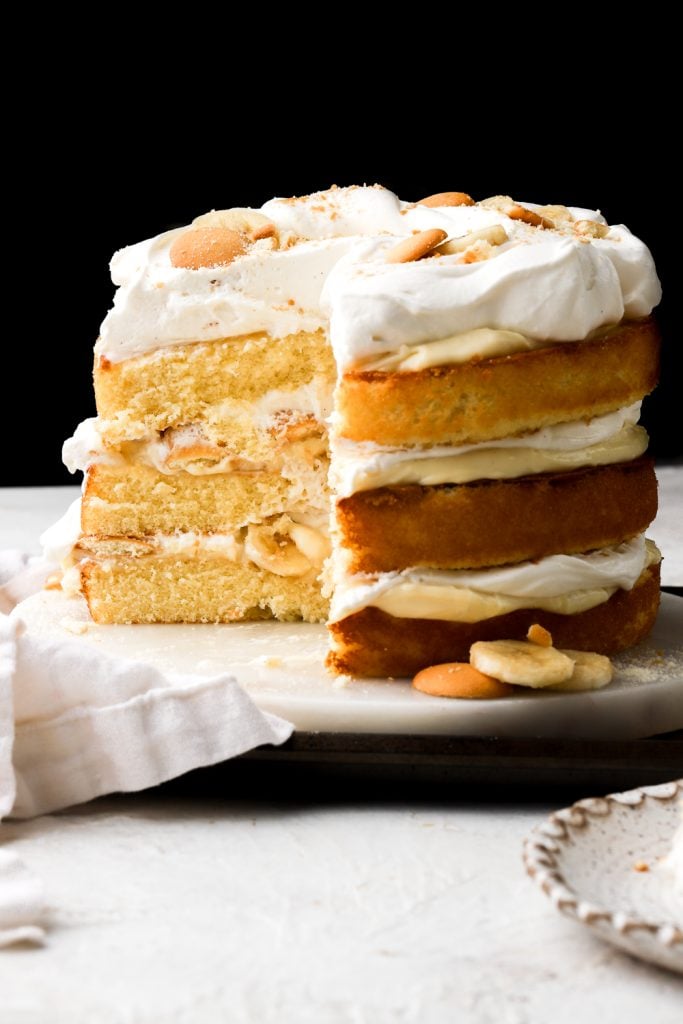
Prinzeregententorte, Fraisier Cake, Opera Cake, Mango Chiffon Cake, Boston Cream Pie, Banana Pudding Cake, Peaches & Cream Cake.
Notes:
I prefer sponge cakes with lighter creams and a soak, but some are more versatile than others. Genoise and hot milk sponge are made with butter which do firm up a little more if served cold whereas chiffon and Molly cake can handle chilled creams really well because they stay softer and airy. Some sponge cakes can also be served with denser buttercreams, but it’s just not my preference because I feel like it overwhelms them.
Angel Food Cake, Biscuit Sponge & Roll Cakes
Angel food cake, biscuit sponge, and roll cake sponge are all very light, delicate cakes that need softer fillings. Biscuit sponge is thin, flexible, and usually used for rolled or layered cakes. Angel food cake is very light, sweet, and fat-free, making it the spongiest and most delicate texture you’ll find in a cake.
Best frostings/fillings:
Chantilly cream
Mascarpone cream
Bavarian cream
Diplomat cream
Whipped ganache
Whipped cream
Examples:
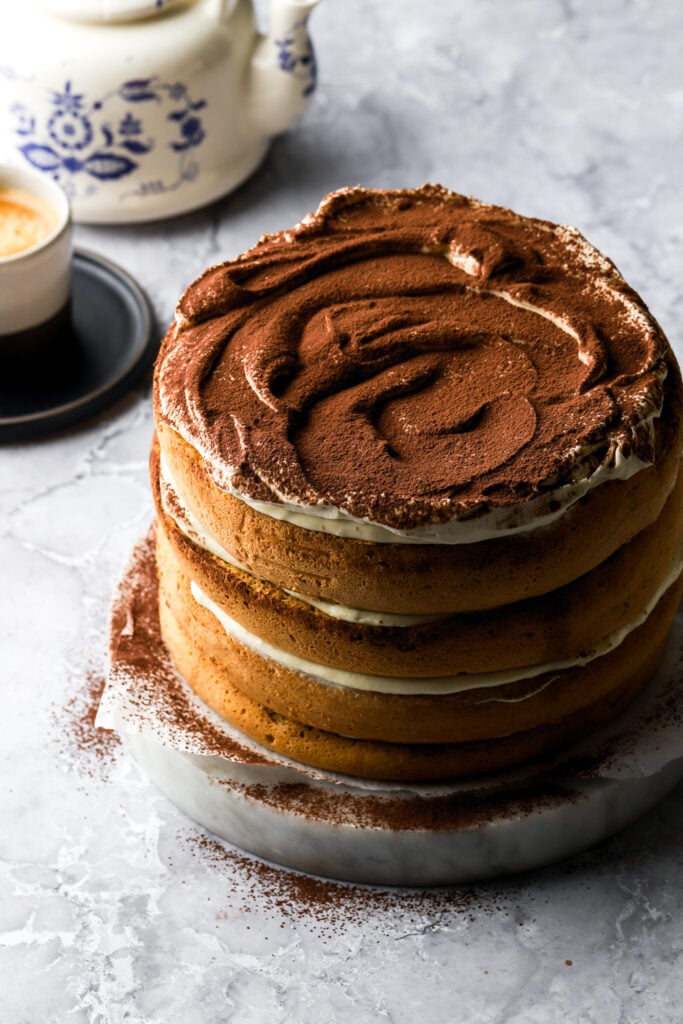
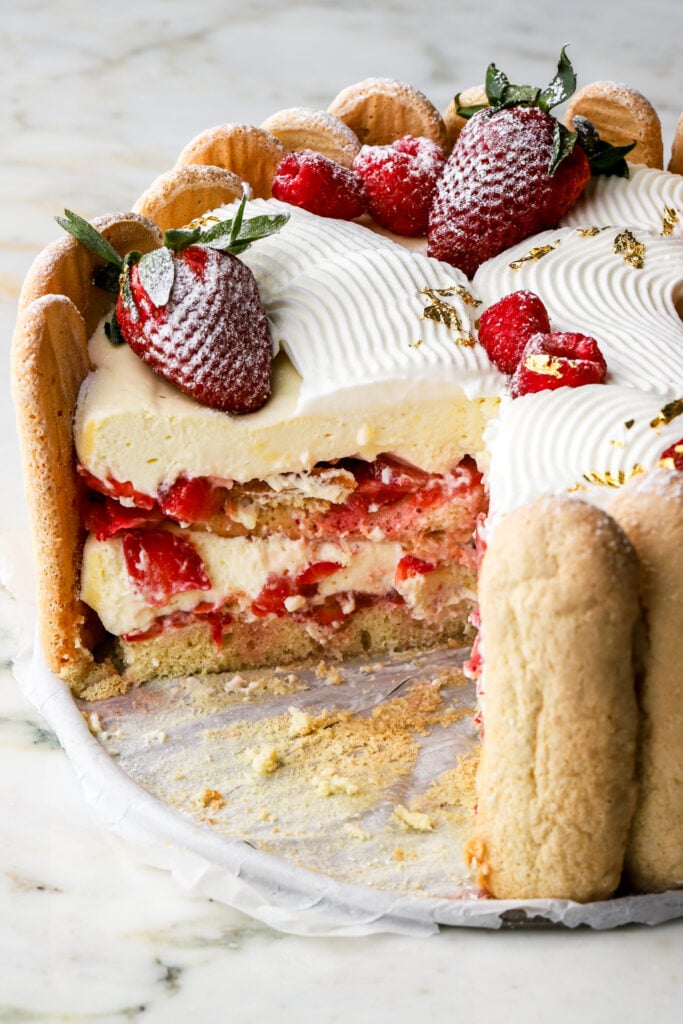
Tiramisu Cake, Lemon Meringue Sheet Cake, Pumpkin Roll, Charlotte Cake, Chantilly Cake.
Notes:
The filling needs to be soft enough to spread and roll without cracking the cake, but not so loose that it leaks out. Heavy buttercreams usually feel greasy and overwhelming with angel food cake and delicate roll cakes.
How Frostings Taste and Handle Flavor Add-Ins
Flavor is the most flexible part of choosing a frosting. There are classic pairings for a reason, but there really aren’t strict rules here. If you want chocolate frosting with lemon cake, you do you boo lol.
The bigger thing to think about is how the frosting itself tastes, how sweet or rich it is, and how well it can handle flavor add-ins.
American buttercream is the sweetest buttercream, but it actually tastes the least buttery because the powdered sugar is so dominant. If you hate super sweet frosting, this probably isn’t the one for you. It can handle extracts, cocoa powder, jams, fruit powders, and other add-ins, but the texture changes more easily because it relies so heavily on powdered sugar for structure.
Swiss and Italian meringue buttercreams are much less sweet, but they taste more buttery. They’re silky, smooth, and great for layer cakes, but they may not be what you want if you’re looking for something light, bright, or refreshing. They’re also very stable and can handle a good amount of flavor add-ins without changing texture too much.
French buttercream and German buttercream / crème mousseline are also buttery, but they have a more custardy flavor from the egg yolks or pastry cream. They’re rich, smooth, and less sweet, but still not exactly “light.”
Ermine frosting is fluffy, creamy, and less sweet than American buttercream. It has a milky flavor, but it’s still a buttercream, so you’ll still taste the butter.
Cream cheese frosting is creamy, tangy, and sweet, which is why it works so well with heavily spiced cakes like carrot cake, pumpkin cake, banana cake, and hummingbird cake. The tang helps balance the sweetness and spices, but it can lose structure quickly if you add too much extra liquid.
Whipped cream, mascarpone cream, diplomat cream, and Bavarian cream taste lighter and creamier than buttercreams, but they also need refrigeration and usually work best with cakes that are meant to be served chilled. They don’t hold as much liquid or heavy add-ins as buttercreams, but because they’re lighter, a little flavoring often goes a long way.
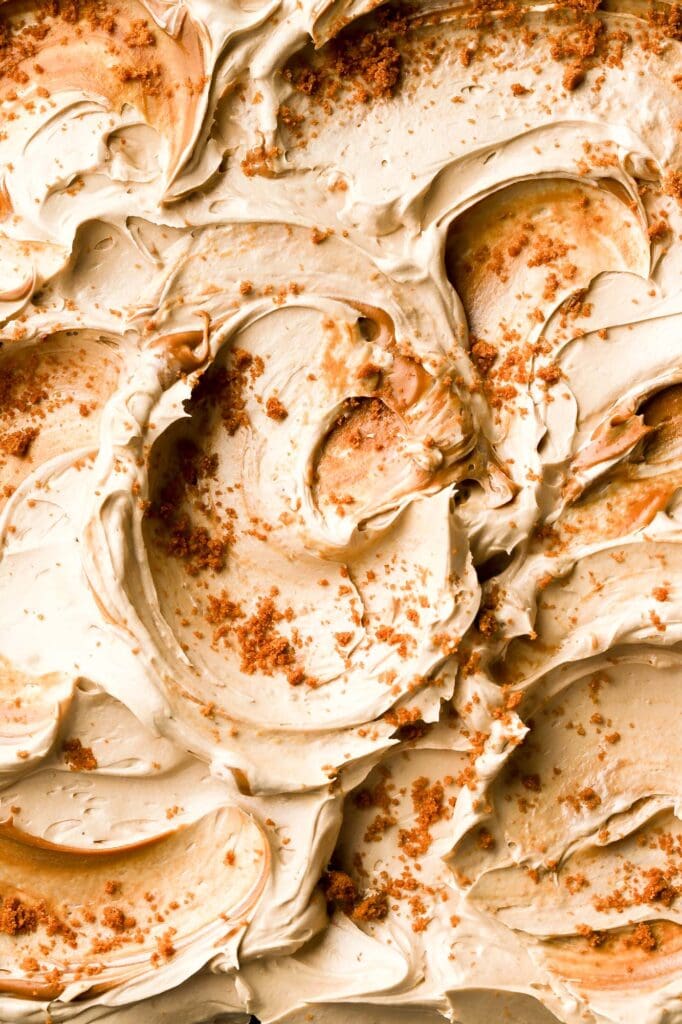
As a general rule, buttercreams can hold more add-ins than whipped cream-based frostings, but the flavor usually won’t come through as strongly. For example, a couple tablespoons of raspberry jam can flavor Chantilly cream, but you may need closer to 1/2 cup to flavor a full batch of Swiss meringue buttercream. The same goes for vanilla: whipped cream may only need 1–2 teaspoons, while buttercreams often need 1–2 tablespoons for the flavor to really come through.
These are not the only acceptable pairings, just my recommendations. You’ll even see in a lot of my recipes that I pair some cakes and frostings together that go against these recommendations, because sometimes flavor or preference wins.
These are guidelines to help you understand what usually works best, not strict rules you’re never allowed to break. Preference plays a huge role, so ultimately, choose what you’re going to enjoy
If you have any questions at all, comment below. I’d love to recommend a frosting type if you need help choosing one.
As always, have a blessed day and happy baking!
Love, B