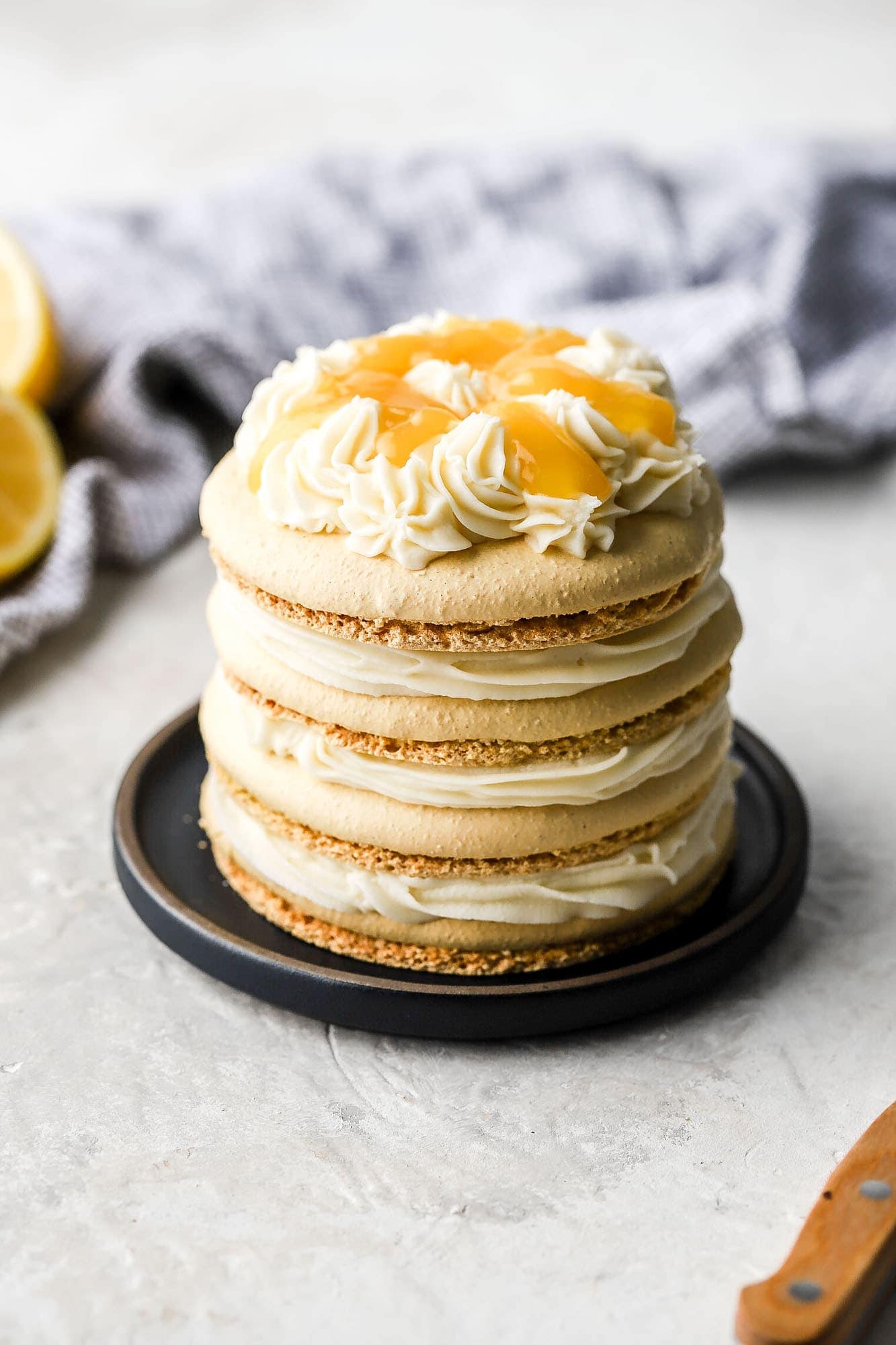

Cream Cheese Frosting
Cream cheese frosting is one of my favorite frostings because it balances sweetness with a slight tanginess, but it can also be frustratingly soft if it’s not made properly.
If you’ve ever had cream cheese frosting that turned runny, split, or wouldn’t hold shape on a cake, it’s usually because the ingredient ratios or temperatures were off.
In this guide, I’m breaking down exactly how to make smooth, stable cream cheese frosting that’s perfect for cakes, cupcakes, cookies, cinnamon rolls, and more.
What Is Cream Cheese Frosting?
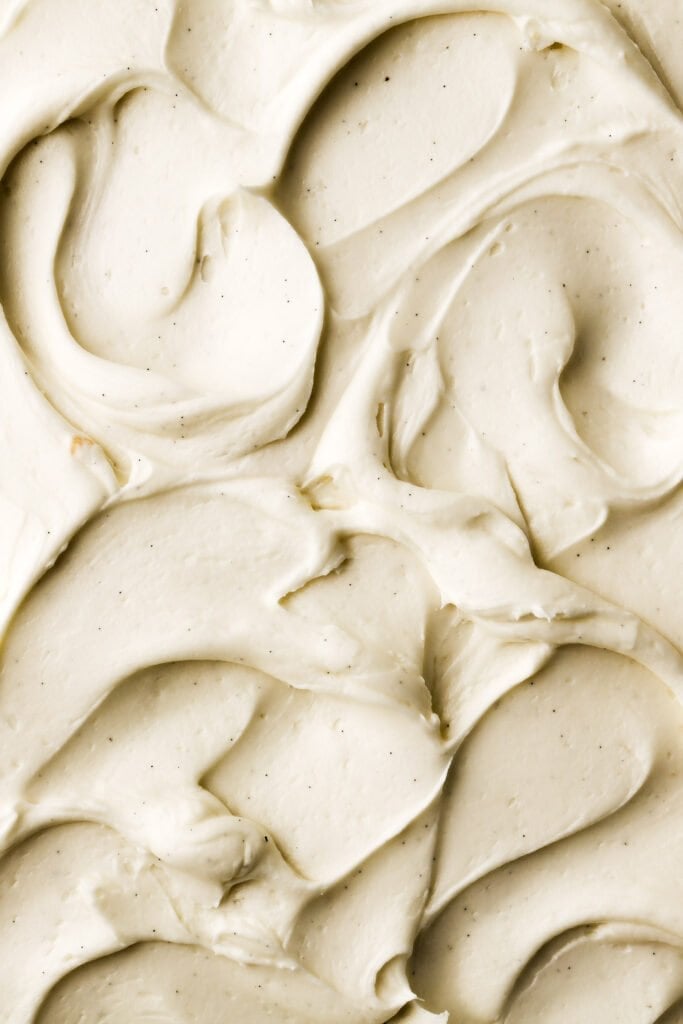
Cream cheese frosting is made by whipping together butter, cream cheese, and powdered sugar into a smooth frosting with a slightly tangy flavor.
Compared to American buttercream, it’s softer, less sweet, and a little less stable because cream cheese naturally contains more moisture.
Ingredient Notes & Substitutions
Cream Cheese
Use full-fat brick-style cream cheese only – I always use Philadelphia. Tub cream cheese is too soft and contains even more moisture, which makes the frosting too runny.
Butter
I recommend using unsalted butter for the frosting so you can control the amount of salt used. Salted butter also works fine but I would skip adding the extra salt.
Sugar
Powdered sugar is what stabilizes cream cheese frosting. If the frosting feels too soft, it usually needs either more powdered sugar or colder ingredients.
Milk/Cream
Cream cheese frosting is naturally softer than buttercream, so adding too much liquid can quickly make it loose. I use heavy cream exclusively but if you need to thin it out a bit, you can add a TINY bit of milk.
The Steps
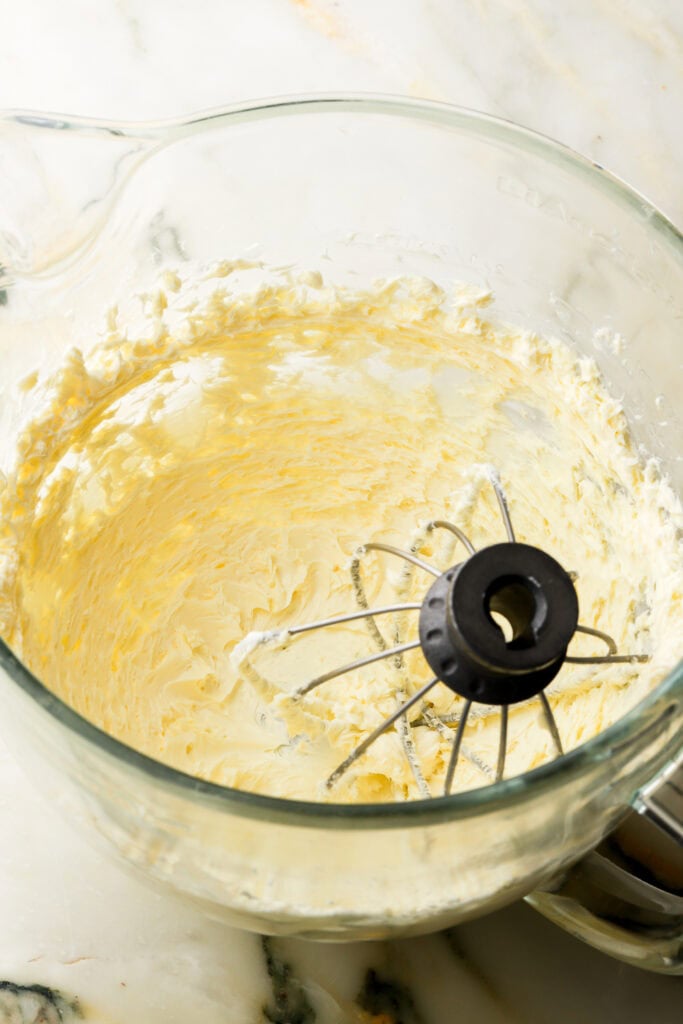
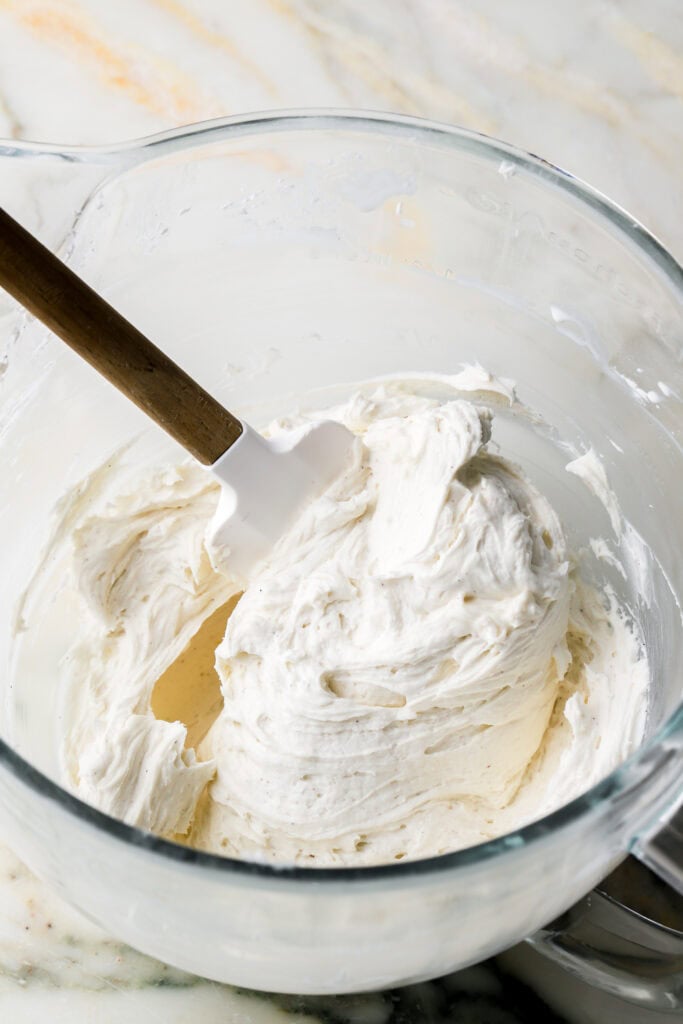
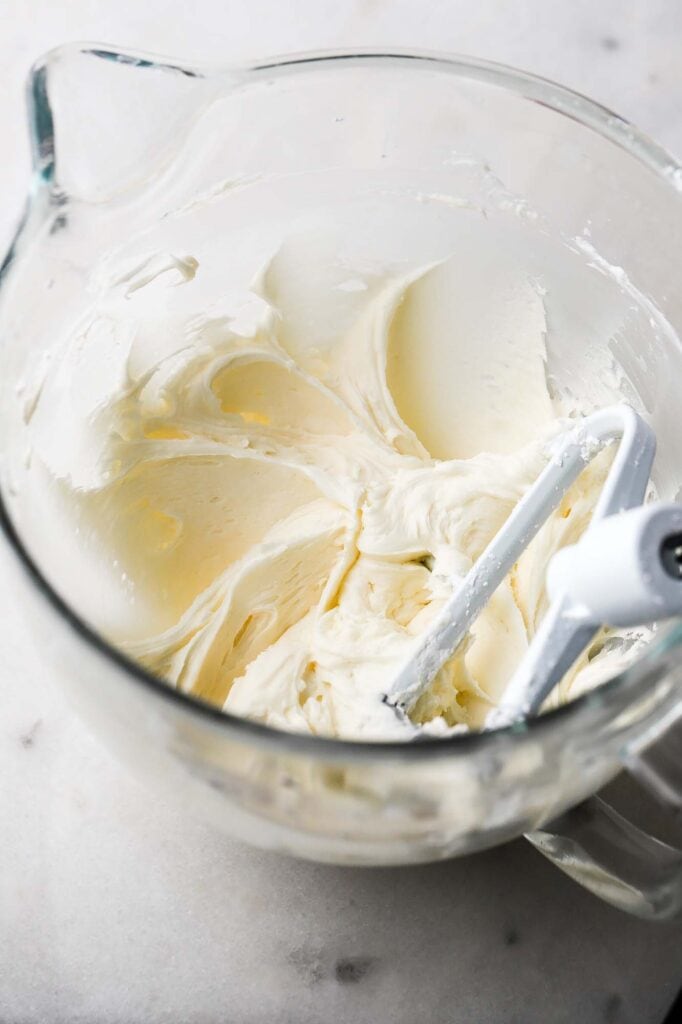
- Beat the butter for a few minutes, until it’s pale and fluffy. This is where your texture starts, don’t skip it.
- Add the cream cheese and beat just until it’s mixed into the butter, don’t whip excessively or it can split.
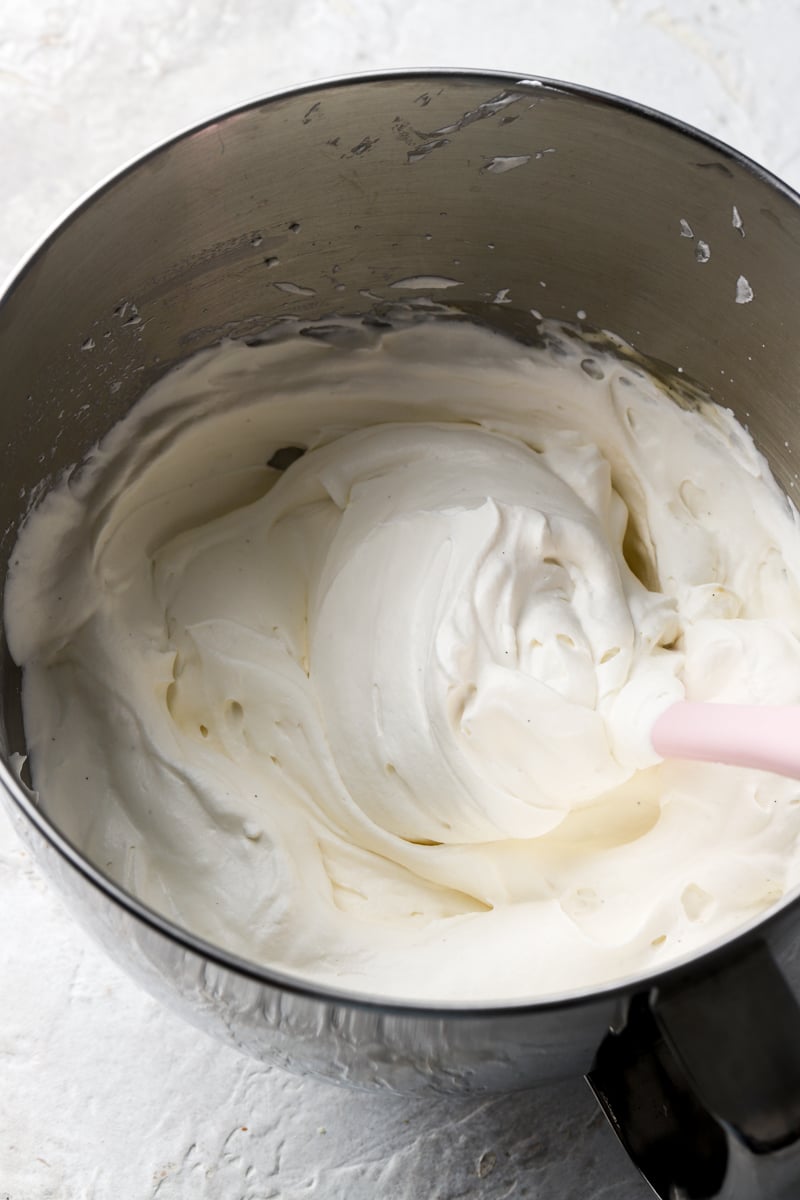
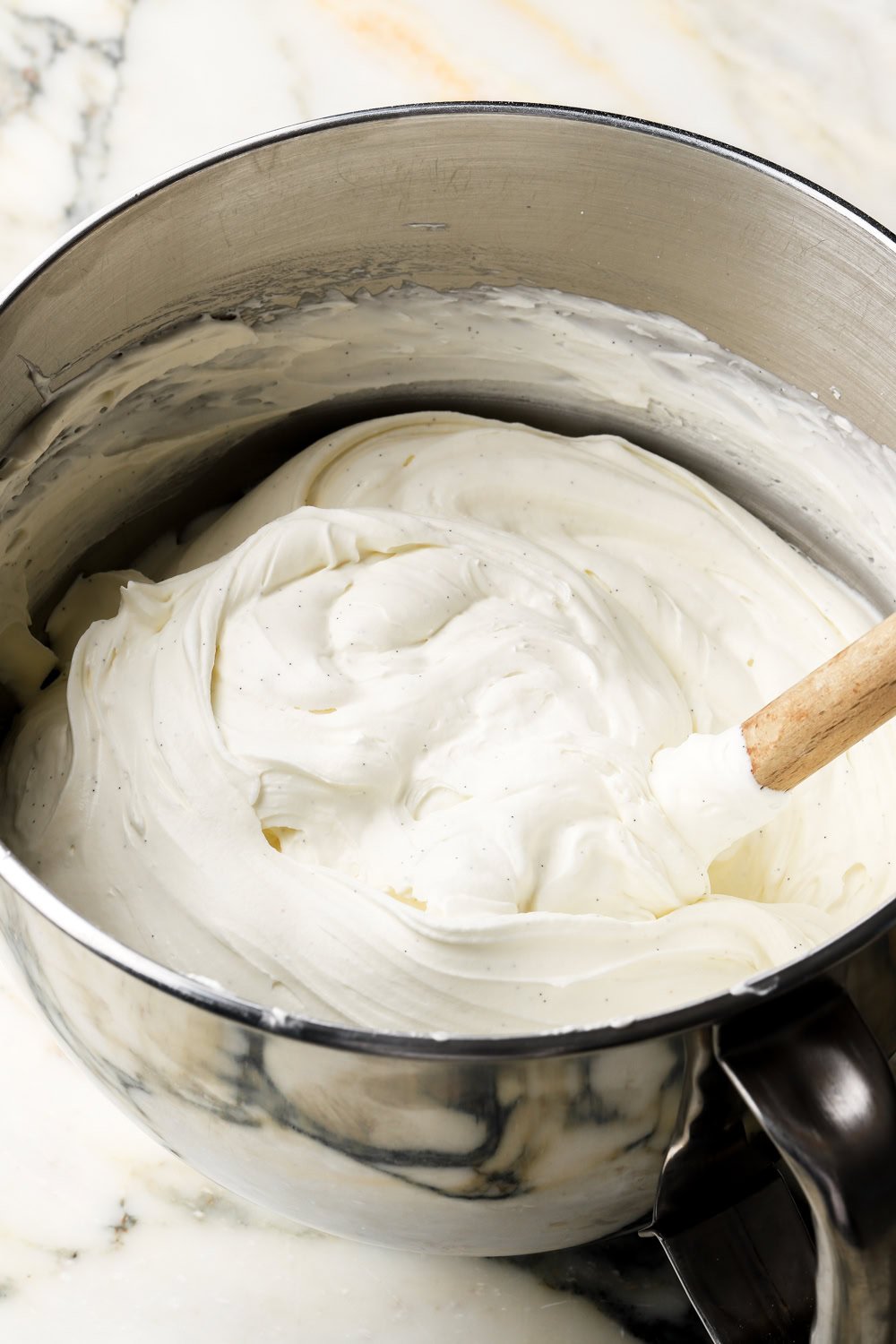
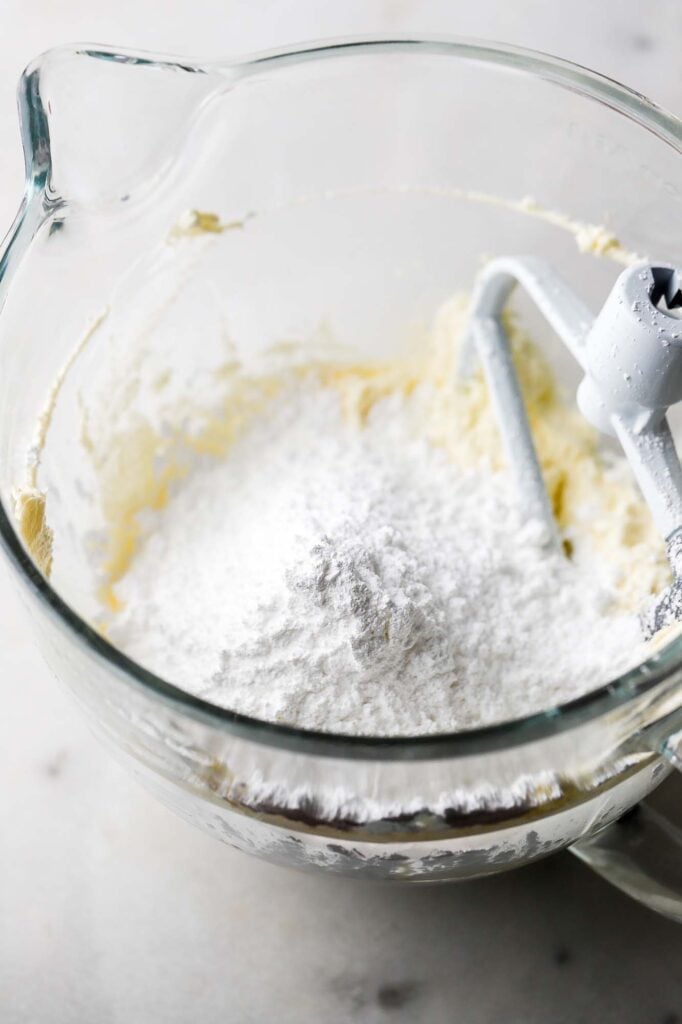
- Add powdered sugar and salt and use the WHISK attachment to beat it on low speed, just until it comes together. Then increase the speed to high for a couple minutes to make sure it’s well combined.
- Add vanilla and mix just until combined. Make sure to scrape the edge of the bowl and increase the speed for just 1-2 minutes to make it light and fluffy.
Troubleshooting
| Problem | Cause | Fix |
|---|---|---|
| Runny Frosting | The ingredients got too warm while mixing, too much milk/cream was added or the amount of sugar was reduced. I recommend keeping the room at a cool temperature (if it’s warm, don’t leave it out as long) and not over-mixing. | Refrigerate the frosting for 30-60 minutes and then whip again. If it’s still too soft, add more powdered sugar (½ cup/60 grams) at a time and refrigerate again. Don’t over-beat, just enough to make sure it’s combined. |
| Too sweet | Powdered sugar adds sweetness, but it also gives the frosting structure, so reducing it too much can make the frosting too soft. | Don’t skip the added salt, use slightly less sugar (frosting may be less sturdy though), or add a splash more of cream (if your frosting isn’t too soft). I also recommend pairing it with a cake/cupcakes that isn’t as sweet or adding something tart like a raspberry reduction or lemon curd. |
| Not-Pipeable | The frosting is too warm or too much cream/milk was added. | Keep a cool room temperature (~65-70°F 18-21°C) and refrigerate the cream cheese frosting for a little before piping. Work quickly because your hands can warm it up. |
| Split | The butter and cream cheese were not at the same temperature, they were over-whipped or the milk/cream added was cold and added too quickly (this is essentially the result of a dramatic shift in temperature). | Make sure they’re both at room temperature, keep the room temperature cool (~65-70°F 18-21°C) and don’t over-mix. Unfortunately once this frosting is split, it’s difficult to bring it back . You can try chilling it and rewhipping with more powdered sugar but it generally doesn’t come back enough to frost a cake – you could use that for something like cinnamon rolls where it melts. |
When to Use Cream Cheese Frosting
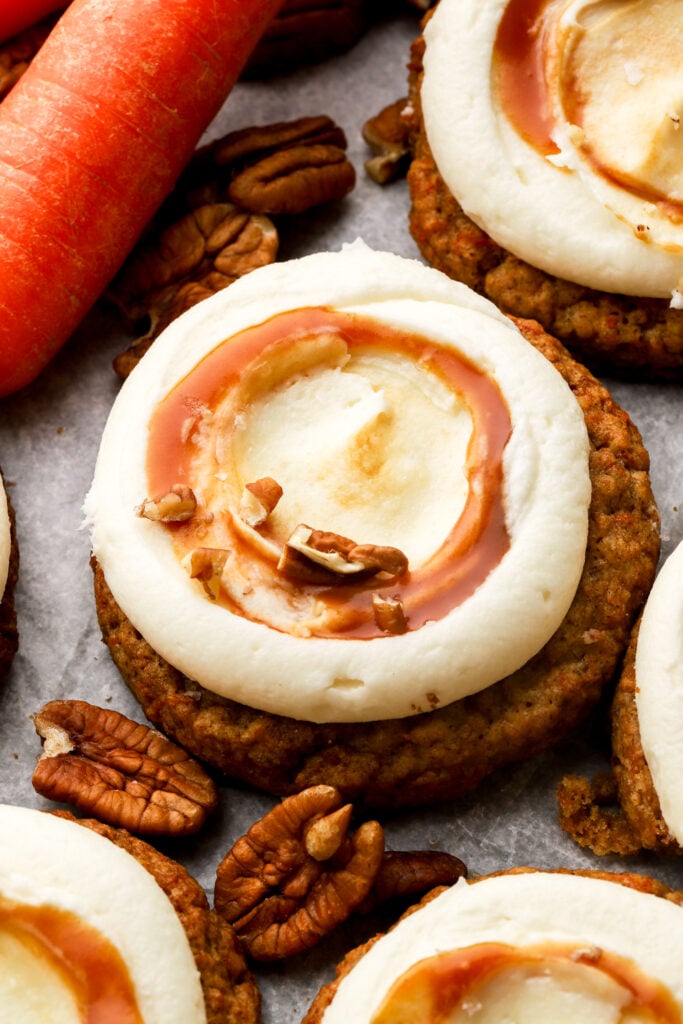
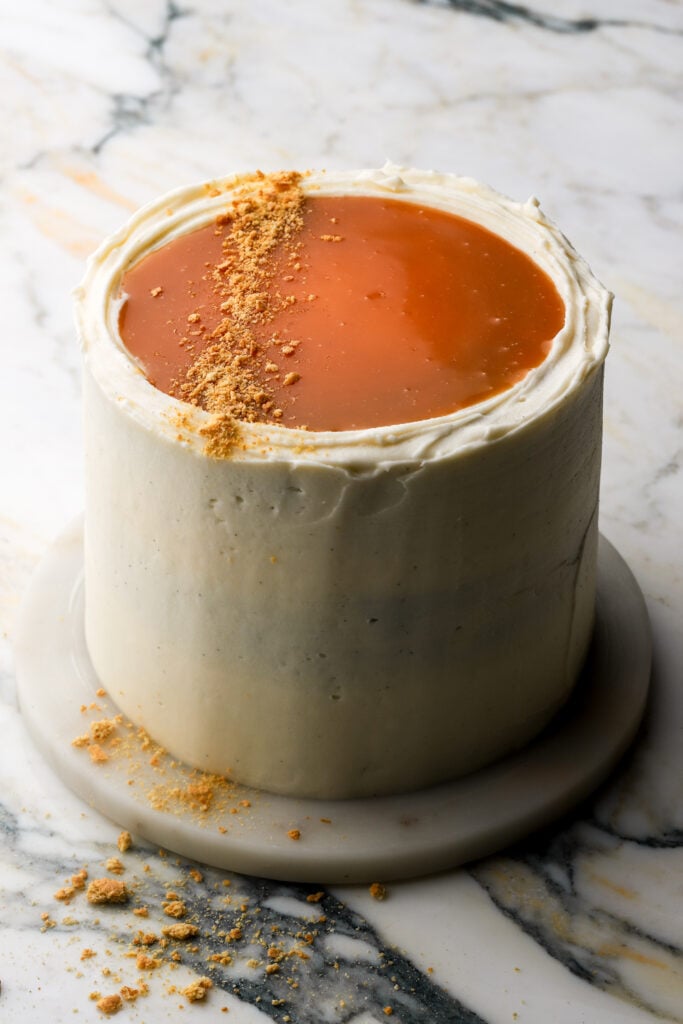
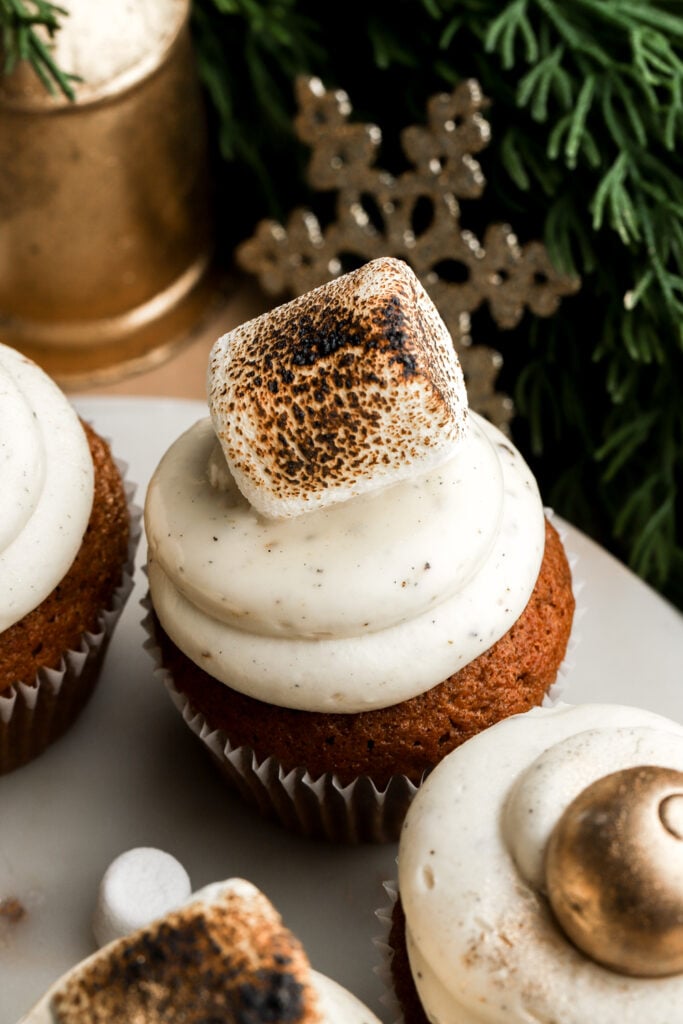
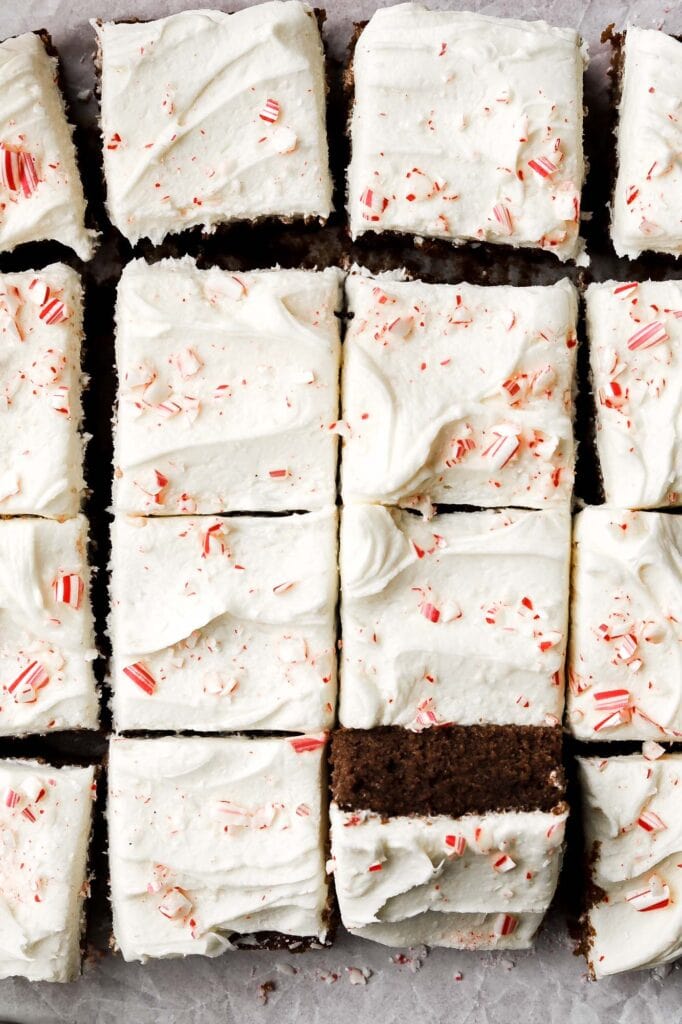
It’s so versatile, it goes well with just about any dessert. Here are some of my favorite recipes that use cream cheese frosting:
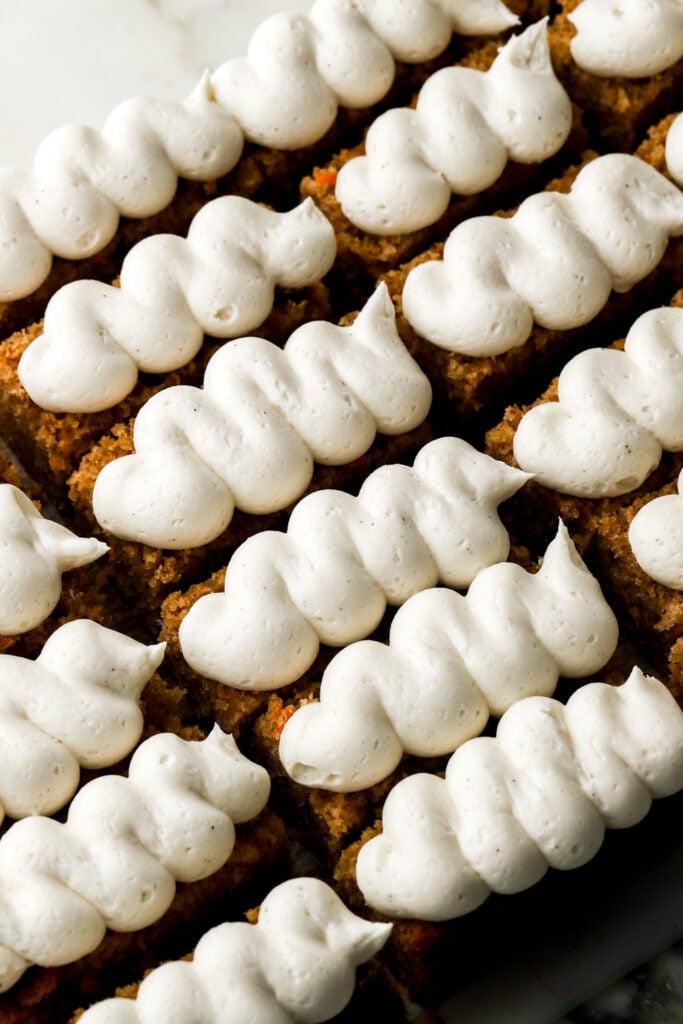
- Carrot Cake
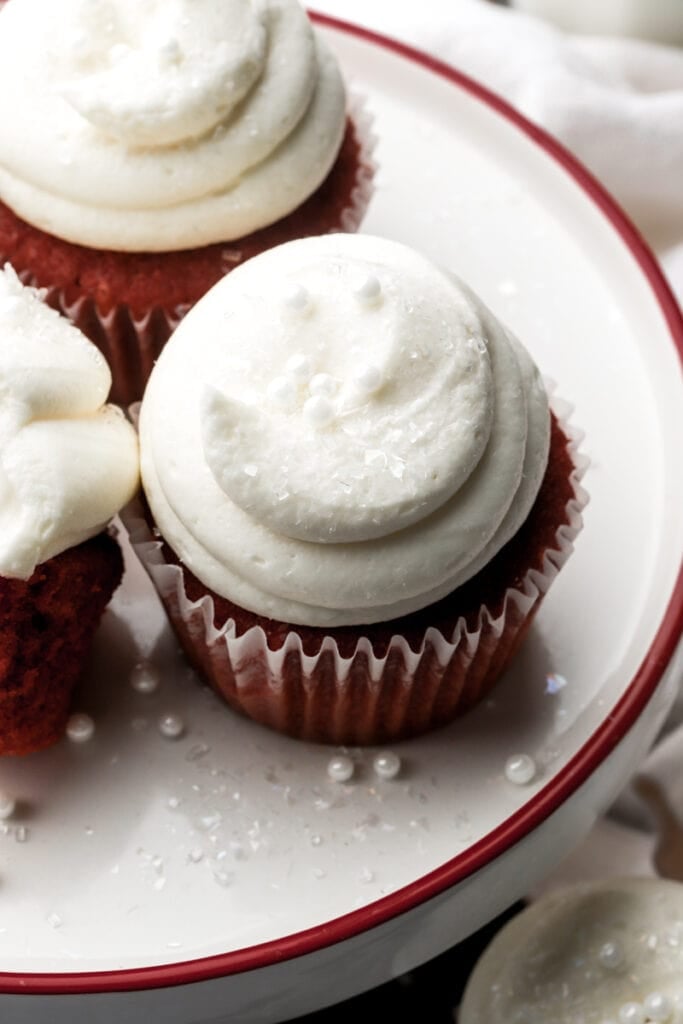
- Red Velvet Cupcakes
- Cinnamon Rolls – can play around with the ratio for these and make it more if you want
- Banana Cupcakes
- Pumpkin Cake
- Strawberry Cupcakes
- Lemon Cupcakes
- Peach Cobbler Cupcakes
If I’m being honest, I don’t love it with chocolate but that’s because I love it more with desserts that are tart, like lemon, or warm spices and deep flavors, like pumpkin, because the tanginess balances the warmth so well.
How To Add Flavor
Again, cream cheese frosting can easily get too runny so if you’re adding something liquid, reduce the amount of cream you add.
| Flavor | How to Add It |
|---|---|
| Vanilla | 2–3 tsp vanilla extract OR vanilla bean paste |
| Chocolate | 1/4 cup (20–25g) cocoa powder OR 3–4 oz (85–115g) melted chocolate (cooled) |
| Coffee | 1–2 tsp espresso powder dissolved in 1-2 Tbsp water OR 1–2 Tbsp brewed espresso |
| Citrus | 1–2 Tbsp zest + 1–2 tsp juice |
| Fruit | 2–4 Tbsp fruit reduction or jam OR 1/4 cup (15–20g) freeze-dried fruit powder |
| Brown Butter | Replace some or all of the butter with brown butter (bring back to room temperature – this also makes it more stable because it reduces moisture). |
| Nut Butters or Spreads | 1/4–1/2 cup (60–120g) peanut butter, Nutella, pistachio paste, etc. |
| Extracts | 1/4–1 tsp (start small—very concentrated) |


Storage
Leftover frosting can be stored in the refrigerator for up to a week or frozen for up to 2 months. Make sure to put it in an airtight container so that it doesn’t set and get crusty on top.
You may also need to re-whip it when bringing it back to room temperature. Make sure it fully comes to room temperature before re-whipping so you don’t get lumps.
If you have questions, comment down below. I’d really appreciate a 5-star rating or a review as well.
As always, have a blessed day and happy baking!
Love, B